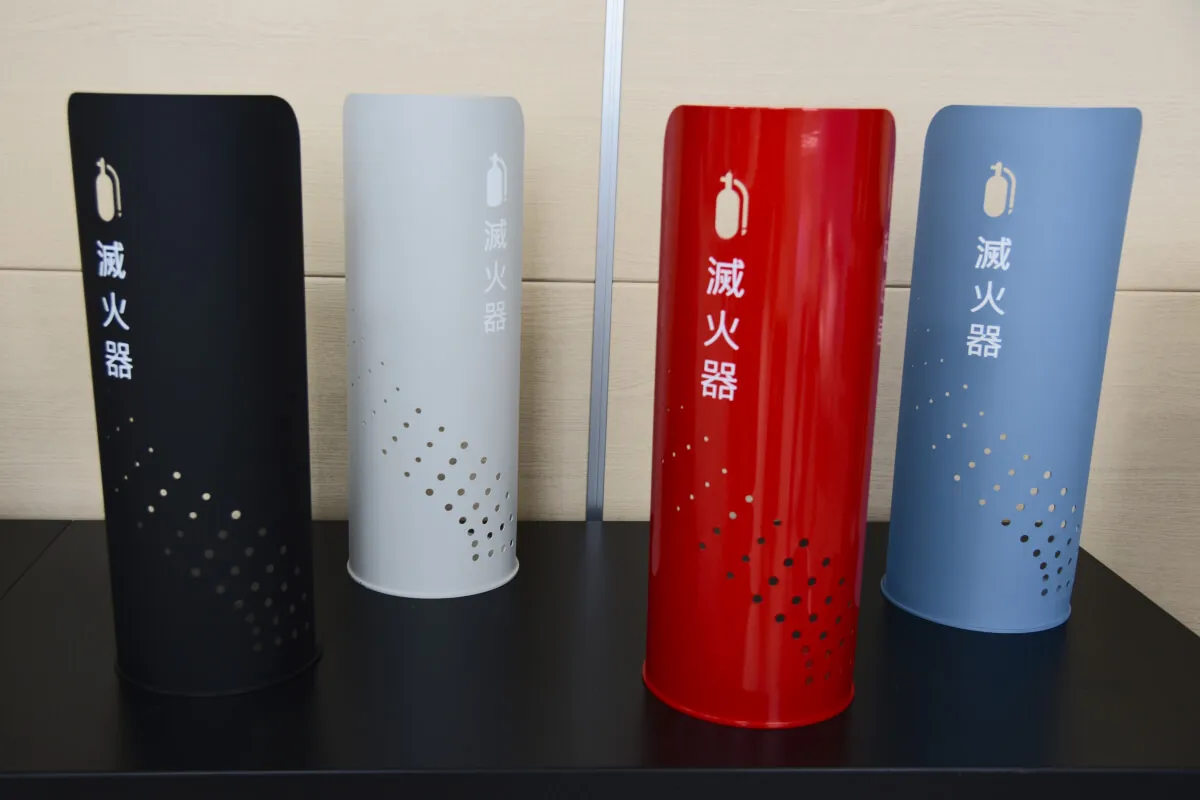
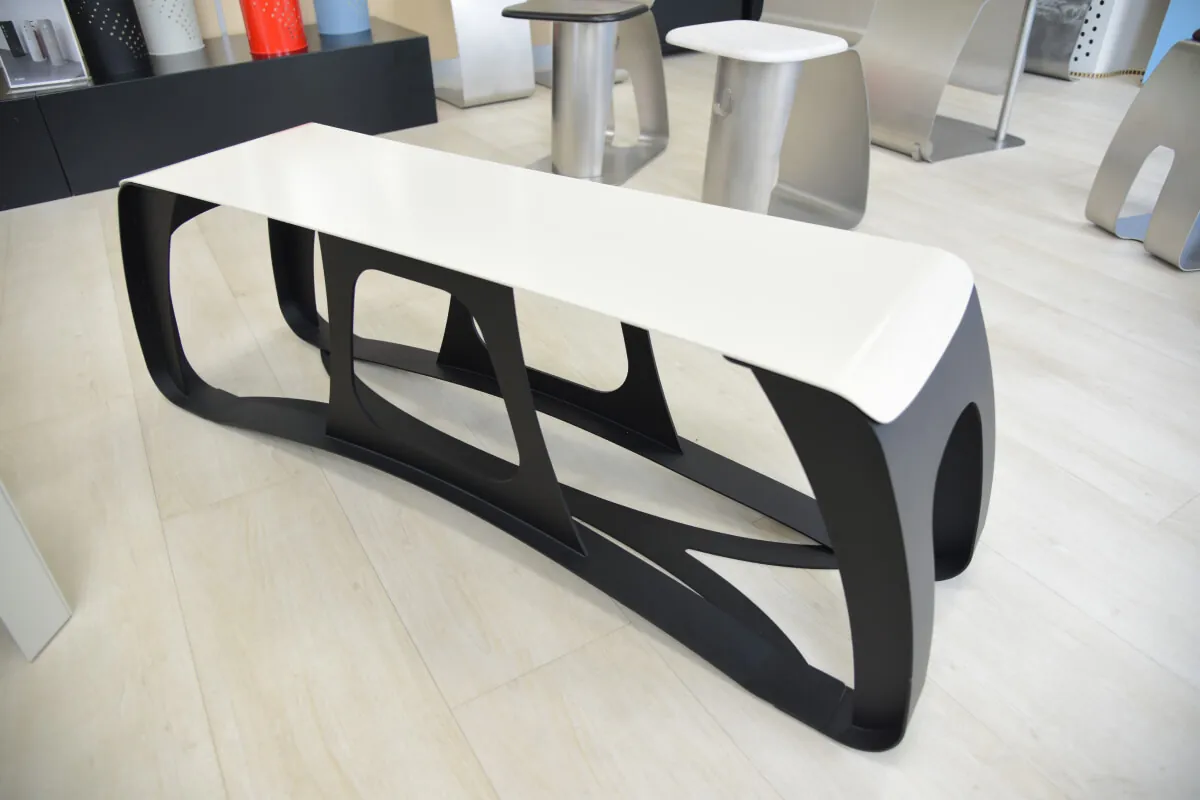
Surface finishing of your sheet metal fabrication project is an essential consideration for two reasons. The first is to ensure that your sheet metal product is protected against environmental weathering, corrosion or oxidation, and the second is to add cosmetic and aesthetic enhancements to improve the appearance of your finished product. This can include printing, etching or laser cutting of logos and other forms of brand identity.
Why is surface finishing important for sheet metal fabrication?
There are two main reasons for using surface finishes in sheet metal fabrication, the first is to protect your sheet metal product from damage, and the second is to enhance its appearance, this can include applying aesthetic finishes that have characteristics that are recognized as being part of your brand identity. It is also important to ensure that the surfaces of moving parts are smooth, to reduce friction.
- Improve resistance to oxidation, corrosion, physical & environmental damage
- Enhance appearance of your sheet metal product
- Add distinctive color, logo & brand identity features
- Lubricate & reduce friction between moving parts
Surface finishes that protect sheet metal from damage
Resistance to environmental and chemical effects can be increased by choosing less reactive, more resistant alloys like stainless steel for your sheet metal project, but in certain situations you even need to provide additional protection for stainless steel, and use the correct grade for the expected environmental conditions. Choice of sheet metal material for your sheet metal fabrication project is an important factor in your choice of surface finish.
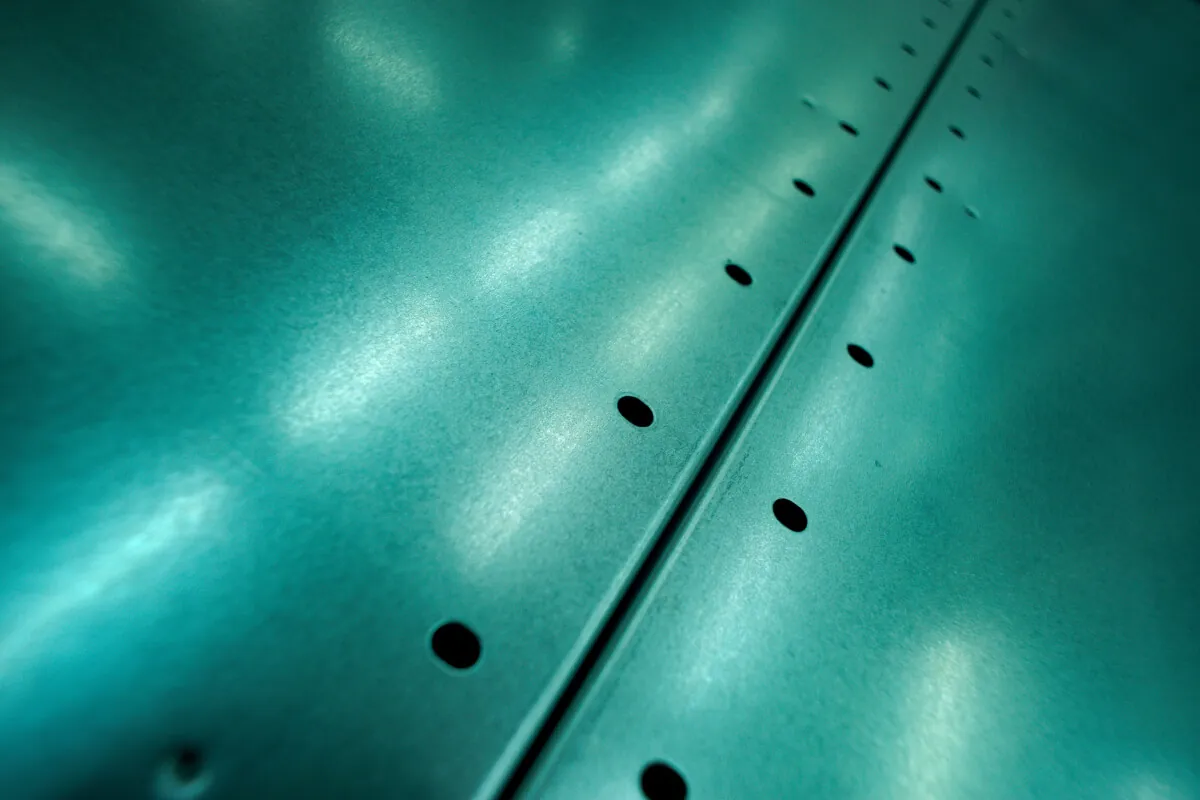
Select the correct sheet metal & consider zinc coating or galvanizing
Selecting the correct grade of stainless steel for your intended location for your sheet metal product is important, with 304 being better for indoor and non-coastal outdoor use, and 316 better for coastal, marine environments. If you are using standard steels for your project, then zinc coating or galvanizing are good choices of protective surface coating, which you may choose to paint to improve their appearance if necessary.
Polishing can protect moving parts of your sheet metal project
Your sheet metal design will be damaged by natural processes such as weathering and oxidation, and chemical or other environmental hazards that are present where you intend to use it. If you have moving parts in your sheet metal design, then polished surface finishes that reduce wear or possible jamming of components due to frictional effects are also something to consider.
Aesthetic finishes complement your design & brand identity
The simplest aesthetic finishes are polishing and brushing, both of which improve the look of the surface. Polishing and brushing techniques can be used to provide finishes ranging from fine lines, with a satin or matte overall effect, through to mirror-bright surfaces. Brushed, satin and matte finishes are often chosen for commercial and domestic sheet metal products, partly because the surface is easier to maintain than a mirror polished surface.
Polishing is commonly used as surface finishing for sheet metal fabrication of artistic, architectural and decorative products, including specialized kitchenware that has aesthetic display value, like our coffee roasters. Sand, shot and bead blasting, using sand or small beads of glass or other materials is sometimes used to create a final surface finish. This process removes surface impurities and oxidation, and is more commonly used to prepare steels for other surface finishes, but can also be used for architectural exterior finishes.
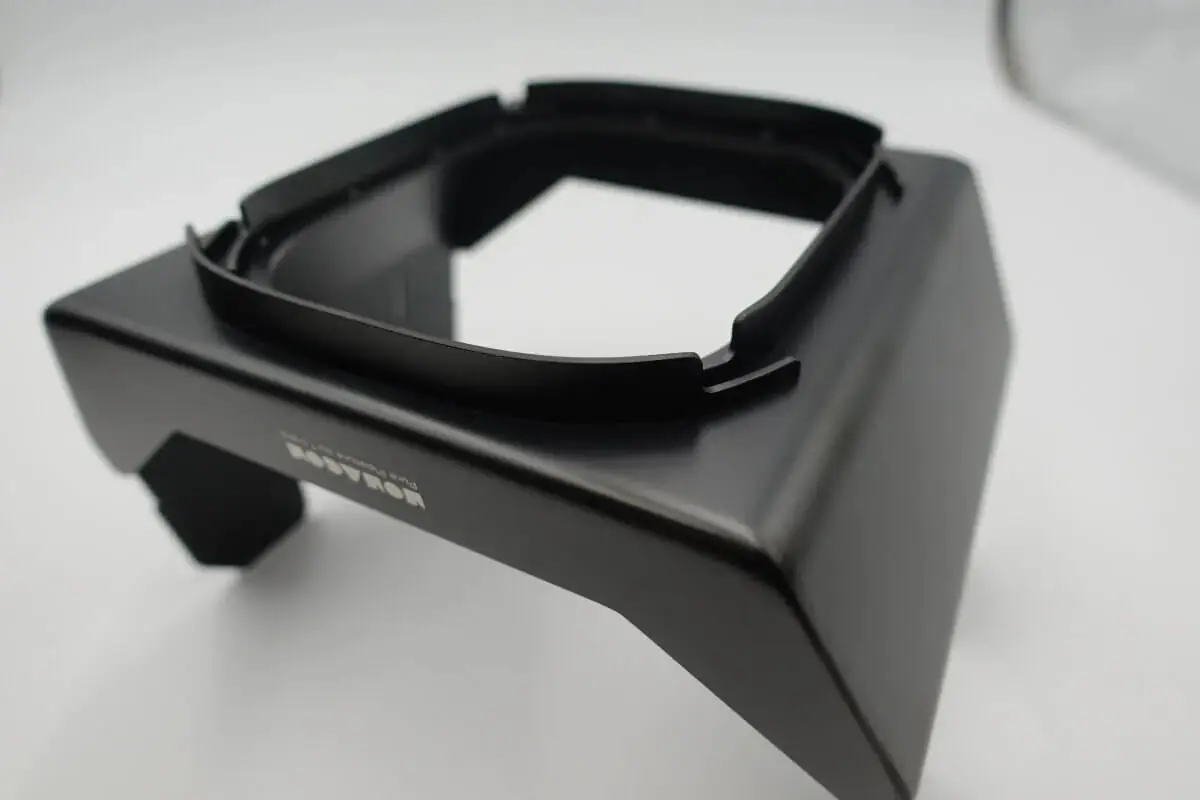
Sheet metal surface finishing that is both protective & attractive
Some sheet metal finishes can protect your sheet metal fabrication project, and also look attractive. Polishing is used to reduce friction between moving parts, but also reduces the surface area exposed to oxidation effects, and can be an attractive finishing choice. Polishing alone tends to increase maintenance requirements, so it is often combined with other treatments that add protection to the polished surface.
Passivating stainless steel increases corrosion protection
Stainless steel is not completely corrosion resistant, particularly in marine environments where the salt in the air will accelerate corrosion. A good starting point is to use marine grade 316 stainless steel for your sheet metal project instead of the more commonly used 304 stainless steel, but you can improve the durability of stainless steel by polishing it to remove roughness that attracts corrosive salt crystals and then passivating the stainless steel. This adds a natural hard oxidized layer to certain stainless steel alloys to provide additional protection.
Aluminum forms an impervious oxide but has limitations
If you are interested in sheet metal fabrication using aluminum, you need to know that aluminum rapidly forms a white oxide coating with exposure to the air, but this coating is impervious to further corrosion. This means that if you are happy with your aluminum product having a dull grey finish it is not necessary to add any further finishing unless it is for aesthetic purposes. However, if aluminum is mixed with other metals, there is a strong likelihood of galvanic corrosion, especially in marine environments, which will penetrate deeper into the metal.
Anodizing creates hard, attractive, surface finishes for aluminum
Anodizing is an electrochemical process used to harden the surface of aluminum by creating a thicker, impervious, oxide layer that can be colored to enhance appearance. The resulting surface is very durable and significantly improves corrosion resistance as well as enabling distinctive brand styling and coloring features. A similar process used for other metals is electro-plating, where a thin layer of corrosion resistant metal is layered on top of a less durable metal. Chrome, nickel and gold electro-plating are commonly found on many sheet metal surfaces.
PVD coating is a versatile modern technique for finishing small objects
A more modern technique is PVD coating, this stands for Physical Vapor Deposition, and is a technique that vaporizes a small quantity of impervious metal in a vacuum that is chemically bonded to the object you want to coat, the metal sticks to the surfaces in a very thin layer. This technique can be used for a wide variety of materials including titanium, and is often used to finish watches and to harden the surfaces of drill bits. It is not a practical technique to use on larger sheet metal fabrication projects, however.
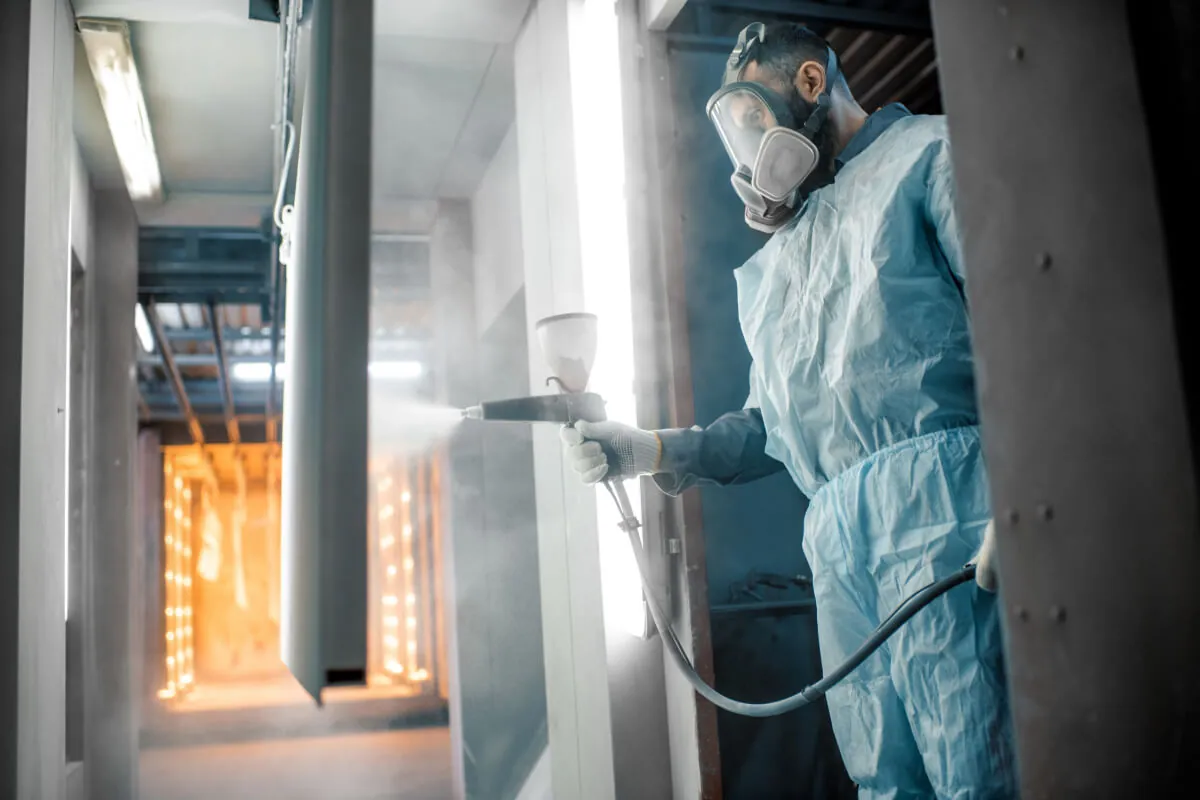
Powder coating & painting your sheet metal fabrication project
Powder coating is probably the most commonly used protective finish that is used in contemporary sheet metal fabrication. An electrically charged pigment powder is applied to the sheet metal surface and then baked in an oven to make a durable coating. This method provides excellent corrosion and chemical resistance, and can be applied thickly enough to also provide significant impact resistance. The wide range of colors available and suitability for indoor, outdoor, commercial and industrial projects make it a very attractive option for sheet metal surface finishing.
The last finishing technique we will consider is painting. This is extremely flexible and cost-effective. Paint can be brushed or sprayed onto sheet metal, and components can be dipped in paint baths for even coating. There is a broad selection of paints available for different purposes and specific environments, and unmatched color options. Screen printing combined with spraying can be used to create aesthetic finishes of any complexity and color combination for unique and distinctive results, making it very useful for enhancing brand identity.
Powder coating is often preferred over painting for base layers, because it is much more durable. Paint surfaces are the least wear resistant of all the surface finishing techniques we have discussed here, even though they are also the most versatile. You can, however, paint on top of a powder coated surface to add your logo or other design features, giving you the benefits of both techniques.

How do you choose the surface finish for your sheet metal project?
You have many choices of surface finish for your sheet metal project, depending on the material used, the intended use and location of use for your sheet metal product, as well as aesthetic and maintenance considerations. The best way to choose the correct surface finish is to talk to an experienced sheet metal fabricator, like Taiwa, who will guide you through all the possible options for your project. Contact us to find out more about how we can protect and enhance your sheet metal product with our diverse range of surface finishing options.