

If you are new to sheet metal fabrication, then before you start your project it’s helpful to understand the basic sheet metal fabrication terms that will help you get the results you want from your choice of sheet metal fabricator. This guide is designed to help you through the process of working with a sheet metal fabricator by explaining some of the common terms and language used during the design and material selection phase of your project.
An Example Sheet Metal Fabrication Project
We’re going to look at an example sheet metal fabrication project to give you an idea of the sheet metal fabrication terms that will help you explain what you want to your sheet metal fabrication provider. This will help you understand what they need to know about your project at the design stage to be able to make it for you.
A Custom Sheet Metal Electronics Enclosure
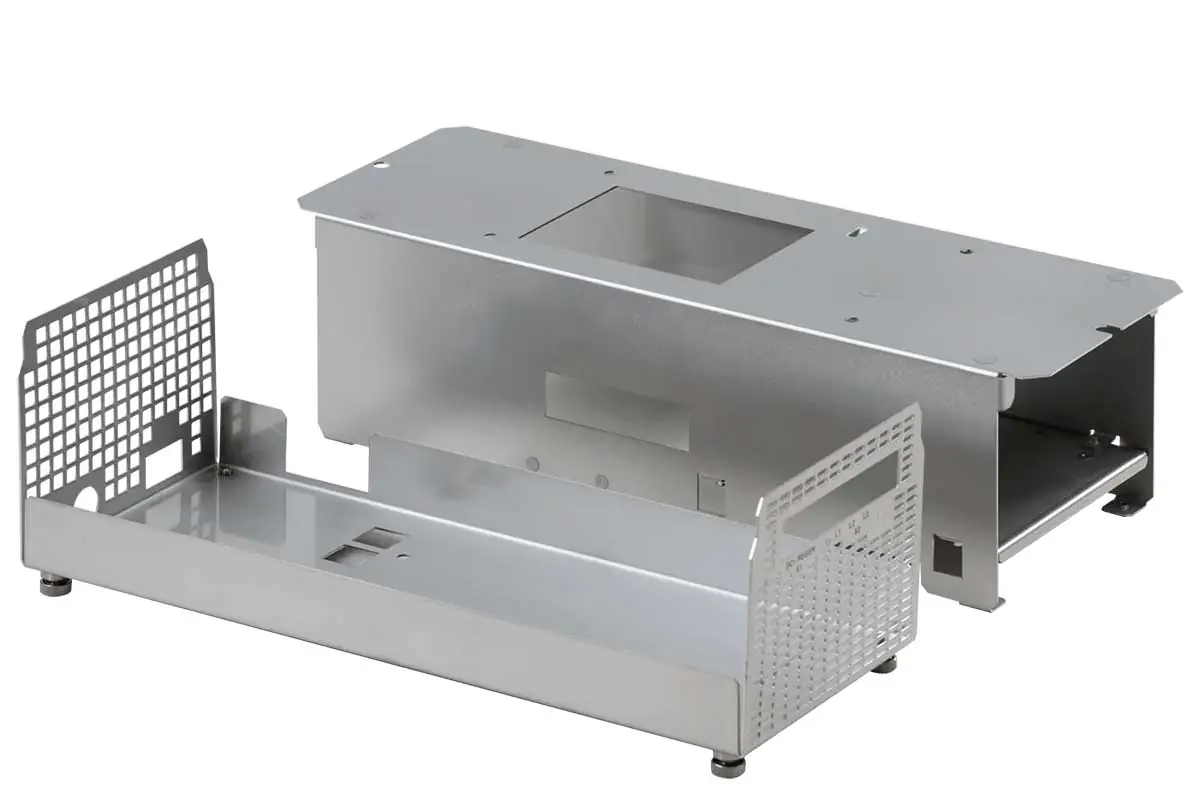
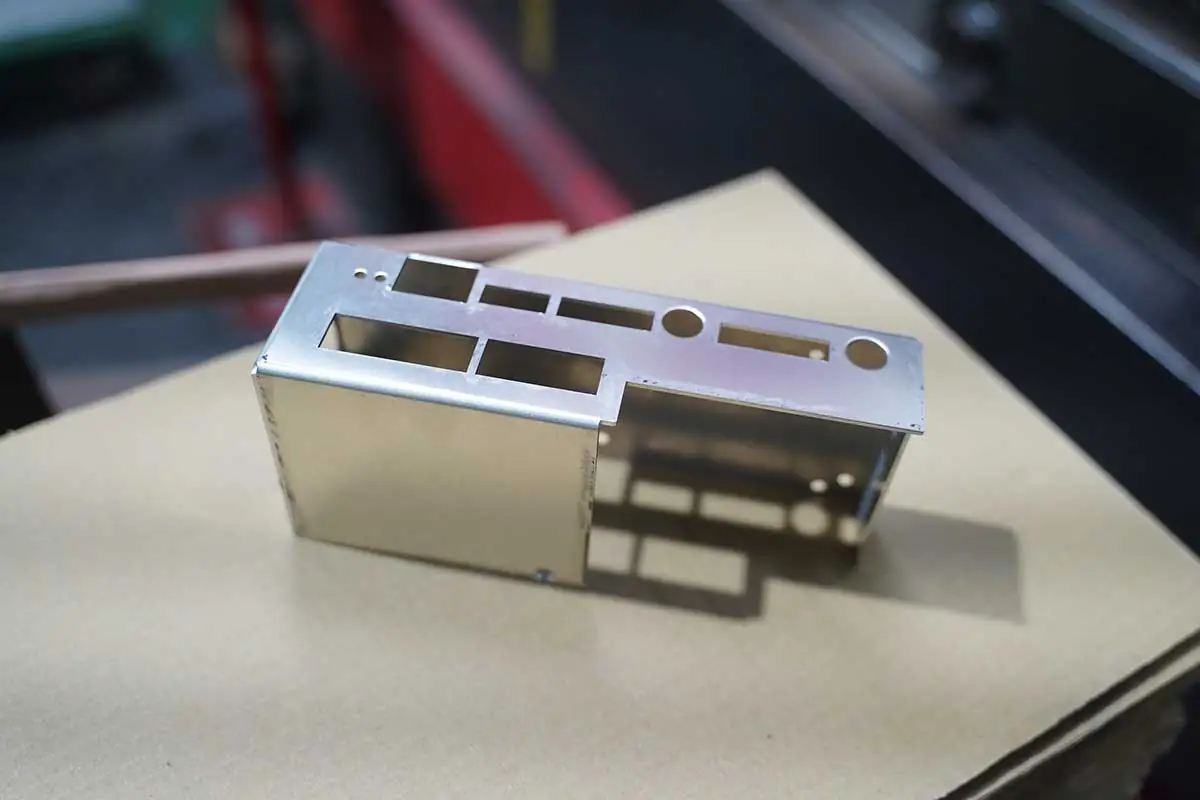
The project is a sheet metal enclosure for electronics. This project combines structural requirements, and internal design for installing components that are common requirements for sheet metal fabrication projects. To specify this design requires a basic understanding of the most important stages of sheet metal project manufacturing. In following this project you will discover most of the standard terms required to begin any sheet metal project.
Specifying dimensions, materials & standard features
When specifying dimensions and materials, it is standard to use metric measurements, and SAE standards for material types. This enclosure is to be made of 2.0mm 304 grade stainless steel. The overall dimensions will be 150mm wide × 300mm tall × 150mm deep.
Our example project will include internal mounting rails, cable entry glands, and a brushed metal finish. Exact dimensions will be created using design drawings, which your sheet metal fabricator can create from your description of your design, or you can produce them yourself using appropriate design software.
Sheet metal materials and gauges
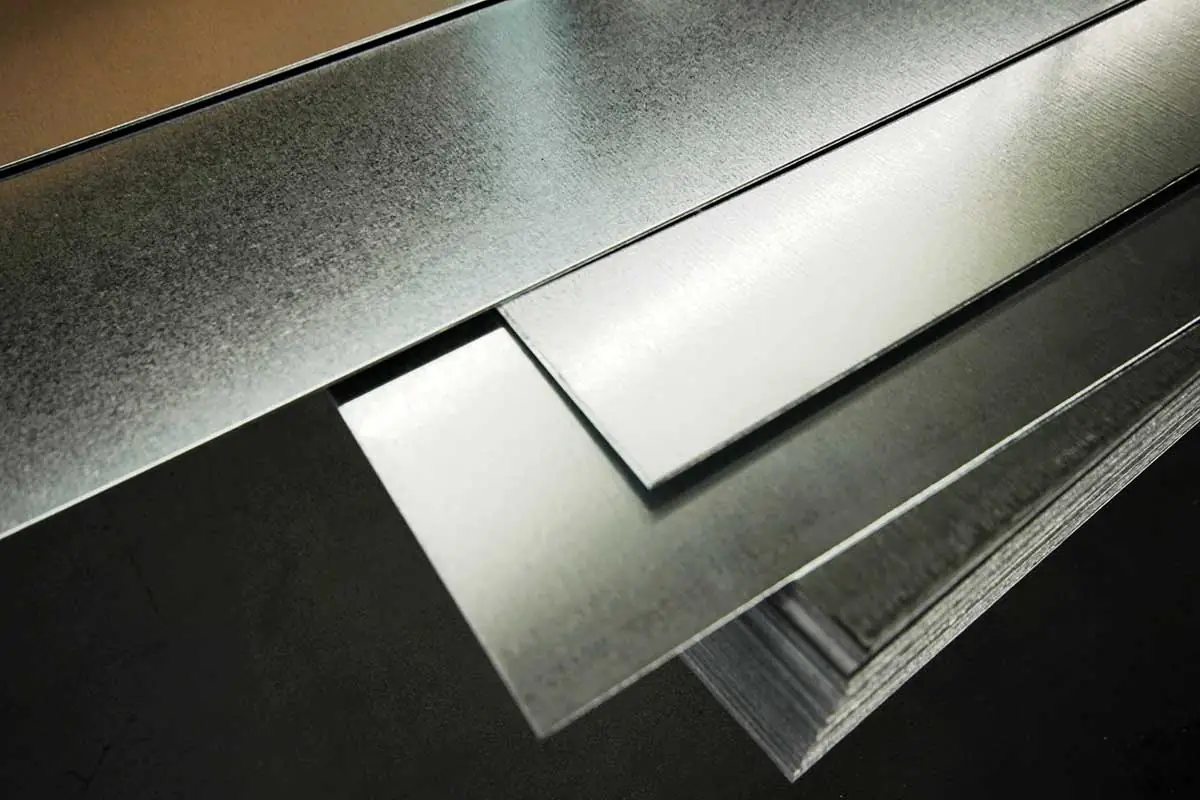
To accurately specify your requirements, you need to understand that sheet metal refers to flat metal stock that has been processed into sheets. These come in a variety of metals and metal alloys and in different standard thicknesses. Mild steel, stainless steel and aluminum are the most common metals used for sheet metal fabrication.
Gauge is the measure of sheet metal thickness
The gauge of a metal sheet is a description of how thick the sheet is. Metal gauge charts help you translate between numbered gauges and actual dimensional thickness. In our project, 2.0mm is a practical gauge for a low maintenance, corrosion resistant outdoor enclosure, with reasonable structural strength and impact resistance. Common gauges for steel box construction range from 0.5mm for light internal components up to 3mm or more for heavy structural applications, like fabricating stairs, catwalks and enclosures for heavy machinery.
Grade is the specific type of metal alloy you are using
We have chosen 304 stainless steel for our project, and this is referred to as the grade of the metal. The grade is the specific alloy to be used. We are using 304 grade stainless steel for our electronics enclosure because it contains chromium and nickel, which provide excellent corrosion resistance for indoor and outdoor use. If we were looking to make an outdoor enclosure in a coastal, high-salinity environment, or for marine use, the preferred grade is 316 stainless steel, which has higher corrosion resistance and is more suitable for salt water exposure.
Elongation is a measure of how much you can bend a metal alloy before it breaks
Choice of metals is influenced by elongation, which is a percentage measure of how much you can stretch a material before it starts to fracture. This is a very important consideration if you intend to have sharp bends in your project. Stainless steels with an elongation of 40% can withstand more bending and forming before breaking than aluminum, which has an elongation of between 10% and 25%. Designs that have small radius bends need to use a metal that has a high elongation percentage.
Design for manufacturability (DFM) applies to all material choices
Gauge, grade and elongation are all influenced by DFM (Design for Manufacturability). During the design process, DFM is the assessment by the sheet metal fabricator of how difficult it will be to efficiently and accurately reproduce your design. This includes ensuring that internal corners have adequate bend radii, that holes are not too close to edges and that the number of separate components and production stages are minimised as much as possible without impacting functionality and appearance.

Choose Taiwa for improved DFM and reduced project cost
If your project has poor DFM it will cost more and be more difficult to make. An experienced sheet metal fabricator can advise you on changes to materials and features that will improve DFM and reduce the cost of your sheet metal product. At Taiwa we offer our expertise to evaluate and optimize your sheet metal design to minimize cost without compromising on strength, visual appeal and user experience. Contact us to find out more about how we can help optimize your sheet metal project and provide efficient, cost-effective manufacturing services.